
We provide PROVIDING PARKING FACILITIES AT INSTITUTIONS
PROVIDING PARKING FACILITIES AT INSTITUTIONS
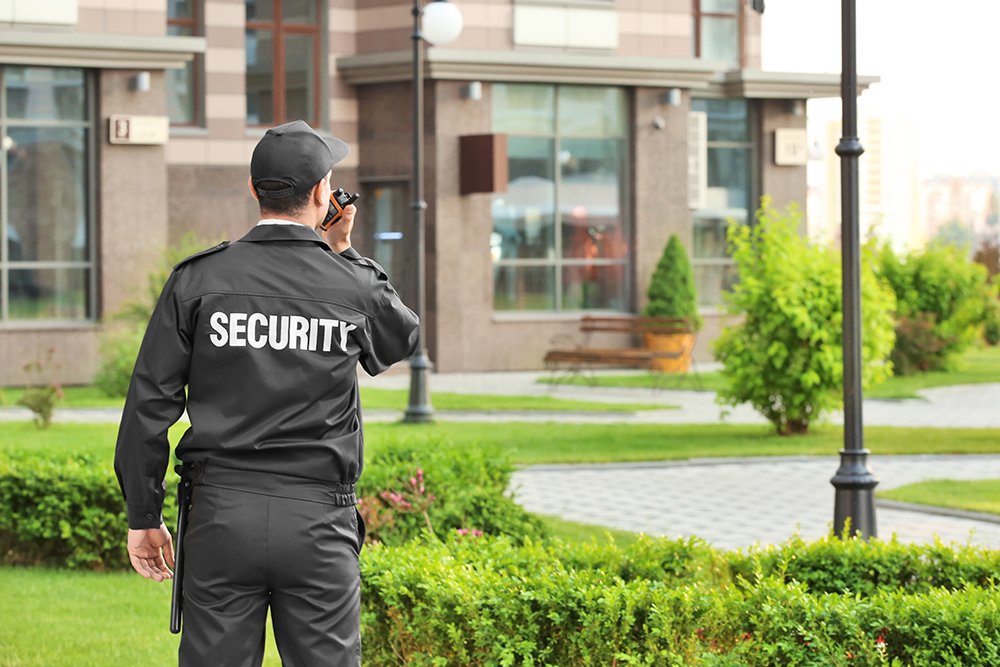
Providing parking facilities at institutions, such as universities, schools, businesses, hospitals, and government offices, is essential to accommodate the transportation needs of students, employees, visitors, and customers. Efficient and well-designed parking facilities contribute to a positive experience, safety, and accessibility for all. Here are some key considerations and best practices for providing parking facilities at institutions:
Assessment and Planning:
- Begin by conducting a thorough assessment of the institution’s parking needs, considering factors like the number of users, peak hours, and future growth. This assessment helps in planning the size and type of parking facilities required.
Design and Layout:
- Design the parking facilities to maximize space utilization, facilitate traffic flow, and ensure safety. Consider different parking configurations, such as surface lots, multi-level garages, or open parking structures, based on the available space and budget.
Accessibility and Compliance:
- Ensure that parking facilities comply with local building codes and accessibility regulations, including providing designated accessible parking spaces with proper signage and ramps.
Lighting and Security:
- Adequate lighting is crucial for security and safety. Install well-lit parking areas and consider the use of security cameras and other security measures to deter theft and vandalism.
Payment and Permit Systems:
- Implement efficient payment and permit systems, which can include pay-and-display machines, electronic payment options, and digital permits. Consider offering discounted rates for regular users, such as students or employees.
Green Initiatives:
- Incorporate eco-friendly features into the design, such as energy-efficient lighting, landscaping, and bicycle parking to promote sustainability and reduce the environmental impact.
Wayfinding and Signage:
- Clearly mark parking spaces, entrances, and exits, and provide wayfinding signage to help users easily locate available parking areas.
Maintenance and Cleanliness:
- Regularly maintain and clean the parking facilities to ensure a safe and pleasant environment. Repair damaged infrastructure promptly.
Security Personnel:
- Employ security personnel or parking attendants, especially during busy times, to assist users, enforce parking regulations, and enhance security.
Alternative Transportation Options:
- Encourage the use of alternative transportation methods, such as carpooling, cycling, public transit, or ridesharing, and provide infrastructure to support these options, like bicycle racks and designated carpool parking.
Customer Service:
- Provide responsive and helpful customer service, addressing user concerns and feedback promptly.
Technology Integration:
- Utilize technology, such as parking management software and mobile apps, to help users find available parking spaces, make payments, and receive notifications.
Sustainability and Urban Planning:
- Integrate parking facilities into broader urban planning and sustainability initiatives, which may include promoting walkability, reducing car dependency, and creating green spaces within parking areas.
Regular Review and Adaptation:
- Periodically assess the effectiveness and efficiency of the parking facilities and make adjustments as needed to meet changing demands and expectations.
By implementing these strategies and considering the specific needs of the institution and its users, you can create parking facilities that enhance convenience, safety, and the overall experience for everyone involved.