
We provide DEMONSTRATION ON FIRE FIGHTING AND FIRST AID
DEMONSTRATION ON FIRE FIGHTING AND FIRST AID
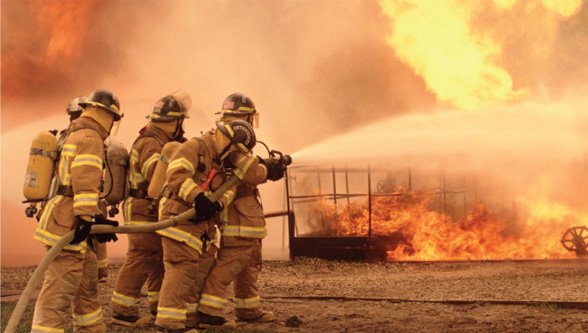
While I can’t provide a live demonstration, I can offer you an overview of basic fire fighting and first aid principles, including the key steps and techniques for each. Please note that practical training and hands-on experience are essential to become proficient in these skills.
Fire Fighting:
Raising the Alarm:
- The first step in fire fighting is to sound the alarm and alert others to the fire. Use a fire alarm or notify emergency services immediately.
Evacuation:
- If safe to do so, evacuate the building or area. Follow established evacuation routes and do not use elevators during a fire.
Fire Extinguisher Use:
- If the fire is small and contained, and you have been trained to use a fire extinguisher, attempt to extinguish the fire using the P.A.S.S. method:
- Pull: Pull the pin to unlock the extinguisher.
- Aim: Aim the nozzle or hose at the base of the fire.
- Squeeze: Squeeze the handle to release the extinguishing agent.
- Sweep: Sweep from side to side to cover the entire fire area.
- If the fire is small and contained, and you have been trained to use a fire extinguisher, attempt to extinguish the fire using the P.A.S.S. method:
Escape Routes:
- Always know your escape routes and never back yourself into a corner. Stay low to avoid smoke and toxic fumes.
Stop, Drop, and Roll:
- If your clothing catches fire, stop, drop to the ground, and roll to smother the flames.
Seek Medical Attention:
- Even if the fire seems minor, seek medical attention for any burns or smoke inhalation.
First Aid:
Assess the Situation:
- Ensure the scene is safe before approaching. Check for dangers such as traffic, fire, or unstable structures.
Check for Responsiveness:
- Determine if the victim is conscious by gently tapping and shouting, “Are you okay?”
Call for Help:
- If the victim is unresponsive or in critical condition, call emergency services immediately.
Open the Airway:
- Gently tilt the victim’s head backward to open the airway and check for breathing. If the victim is not breathing, perform CPR.
Control Bleeding:
- Apply direct pressure to wounds with a clean cloth or bandage to control bleeding. Elevate the injured limb if possible.
Treat for Shock:
- Lay the victim flat, raise their legs slightly, and cover them with a blanket to help prevent shock.
Perform CPR:
- If the victim is not breathing, start CPR with chest compressions and rescue breaths.
Immobilize Fractures:
- If you suspect a fracture, splint the injured limb to prevent further damage and keep it still.
Provide Comfort and Reassurance:
- Keep the victim calm, reassure them, and maintain their body temperature.
Remember that the information provided here is a basic overview. In real-life situations, it’s essential to be trained and certified in fire fighting and first aid by organizations such as the American Red Cross or local equivalents, as they can provide comprehensive, hands-on training that prepares individuals to respond effectively to emergencies. Additionally, always follow local guidelines and protocols when providing first aid or responding to fires.