We provide TRAINING TO SECURITY PERSONNEL
TRAINING TO SECURITY PERSONNEL
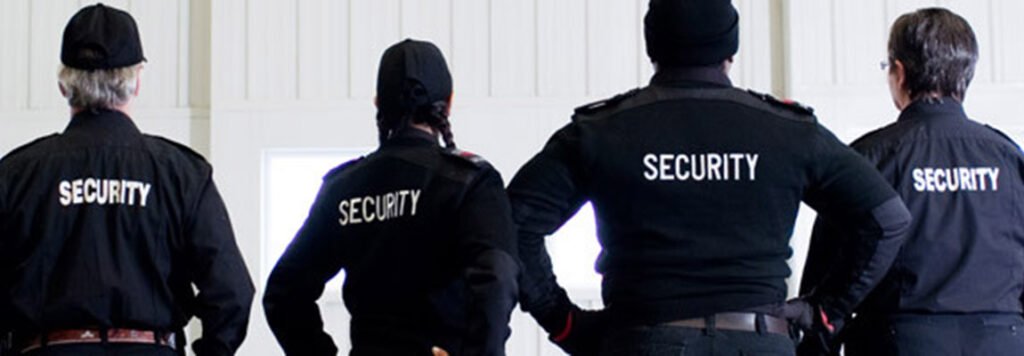
Training security personnel is crucial to ensuring they have the skills, knowledge, and readiness to effectively protect people and property, respond to security threats, and maintain a safe and secure environment. The specific training requirements for security personnel can vary depending on the type of security service, the level of security needed, and the regulations in the region where they operate. Here are some key elements of training for security personnel:
Basic Security Training:
- Security personnel should receive foundational training that covers the basics of security, including roles and responsibilities, legal and ethical considerations, and the principles of security.
Conflict Resolution and Communication:
- Training in effective communication and conflict resolution is essential for dealing with various situations, from diffusing confrontations to managing disputes peacefully.
Emergency Response:
- Security personnel should be trained to respond to emergencies, such as medical incidents, fires, and security threats. This includes first aid, CPR, and evacuation procedures.
Physical Security:
- Training in physical security measures includes understanding access control, surveillance systems, and alarm systems. Personnel should know how to operate security equipment effectively.
Patrol and Observation:
- Security officers should learn how to conduct patrols and maintain vigilance to detect and deter security breaches. This may include identifying suspicious behavior or objects.
Use of Force and Self-Defense:
- When applicable, security personnel may receive training on the appropriate use of force and self-defense techniques. This training should adhere to local laws and regulations.
Legal and Ethical Considerations:
- Security personnel should be knowledgeable about relevant laws, regulations, and ethical guidelines, including the use of force and the protection of privacy.
Report Writing:
- Training should cover the proper methods for documenting incidents and preparing incident reports, which can be crucial for legal and administrative purposes.
Crisis Management and Critical Incident Response:
- Security personnel should be trained to respond effectively to critical incidents, such as active shooter situations, bomb threats, or other crises that may require specialized skills and tactics.
Customer Service:
- In roles that involve interacting with the public, security personnel should be trained in providing good customer service while maintaining security standards.
Specialized Training:
- Depending on the security service, personnel may receive specialized training, such as cybersecurity training for IT security personnel, K9 handling for dog security teams, or maritime security training for personnel in the maritime industry.
Continuing Education:
- Security personnel should engage in ongoing training and professional development to stay up to date with evolving security threats and best practices.
Training can be provided by security companies, training academies, or in-house training programs. Certification and licensing may be required in some regions, and ongoing training and certification renewal may be necessary to maintain the qualifications of security personnel. Training programs should be tailored to the specific needs and responsibilities of the security personnel and the environment in which they work.